

Menstrual Hygiene Awareness NGO in Bihar
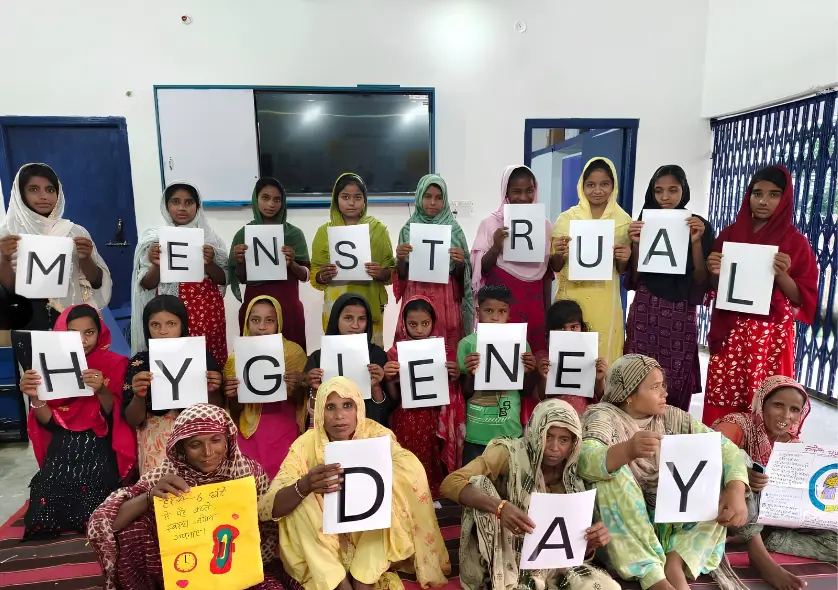
In rural Bihar, menstrual hygiene remains a deeply entrenched social taboo. Due to a severe lack of accurate information, unhygienic practices, and limited access to affordable sanitary products, thousands of adolescent girls and women face severe health risks and infections every month. Bhartiya Jan Utthan Parishad (BJUP), operating as a dedicated Menstrual Hygiene Awareness NGO in Bihar, is actively working at the grassroots level to dismantle societal myths, drive behavioral change, and deliver essential health and hygiene interventions to underserved rural communities.
Ground Reality of Menstrual Health in Rural Bihar
Menstrual hygiene is not merely a matter of personal sanitation; it directly impacts a woman’s dignity, education, and long-term health:
- Lack of Awareness: Deep-rooted social stigma and shame prevent adolescent girls from seeking guidance or sharing their health issues openly.
- Unhygienic Practices: Inaccessibility to safe and affordable sanitary pads forces women to rely on unsafe, unhygienic alternatives, increasing the risk of Reproductive Tract Infections (RTIs) and other health complications.
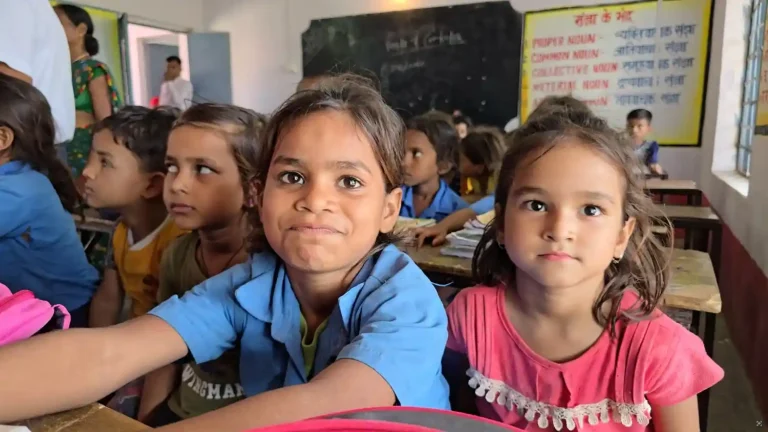
- High School Dropout Rates: The absence of proper Water, Sanitation, and Hygiene (WASH) facilities in rural schools, combined with inadequate Menstrual Hygiene Management (MHM) education, leads many young girls to skip school during their cycles—frequently resulting in premature dropouts.
BJUP’s Grassroots Interventions under the Health & WASH Framework
As a prominent Menstrual Hygiene Awareness NGO in Bihar, BJUP addresses menstrual health as a core priority through its integrated Health & WASH and Women Empowerment verticals:
1. Breaking Taboos Through Community Awareness
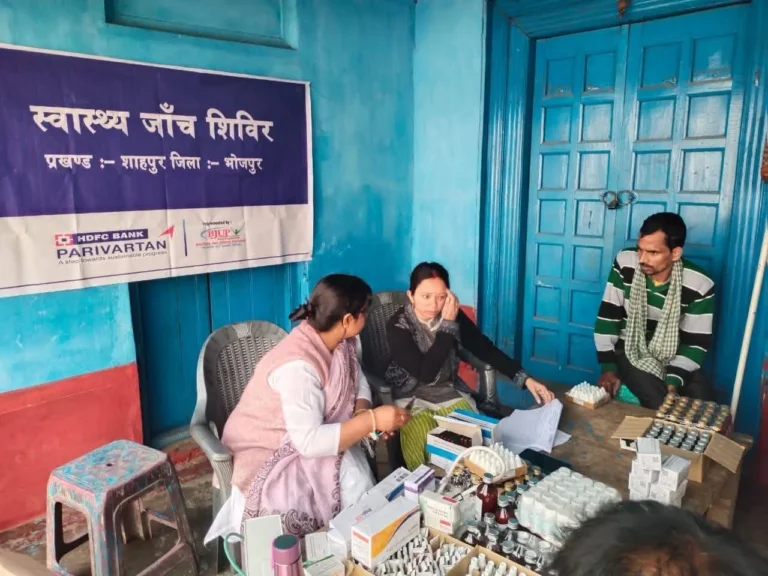
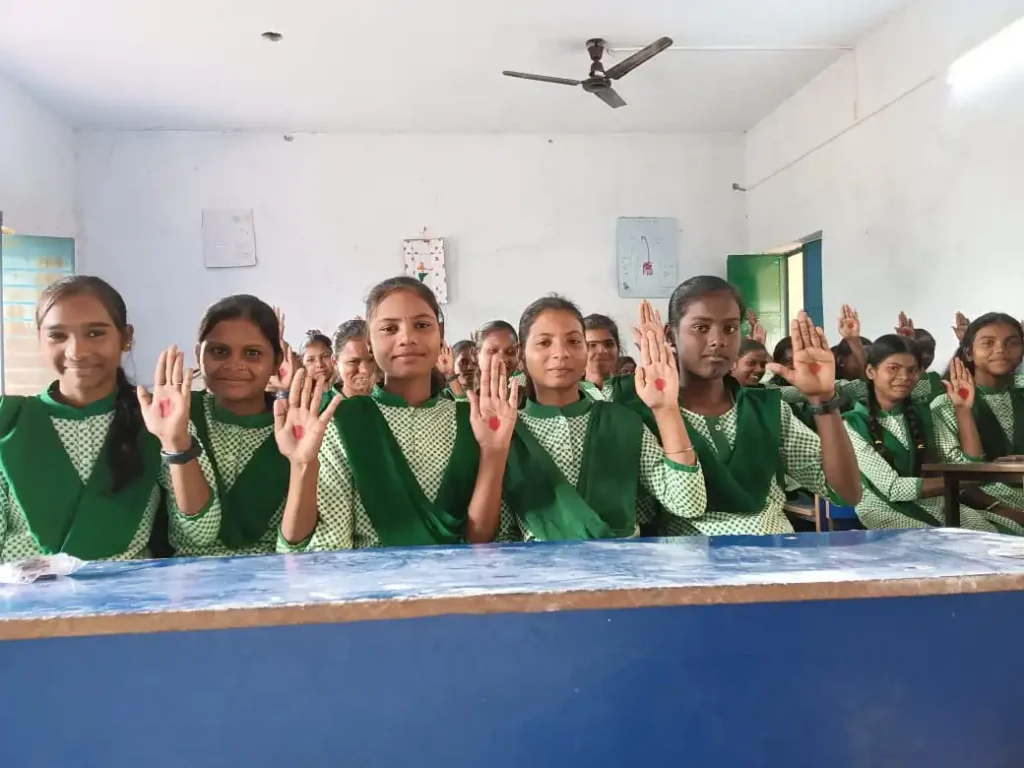
- BJUP’s field teams conduct interactive awareness sessions across rural schools, Adolescent Girls Groups (Kishori Mandals), and Self-Help Groups (SHGs) to normalize discussions on period cycles, biological facts, and hygienic practices.
- These sessions focus on removing fear and hesitation around menstrual health.
2. Promoting Safe Practices & Hygienic MHM Kits
- Adolescent girls and rural women receive practical guidance on using safe menstrual products, handwashing protocols, infection prevention, and responsible disposal methods.
- Community workshops emphasize proper personal hygiene to safeguard reproductive health.
3. School & Community Level Integration
- By pairing MHM with clean drinking water and private toilet infrastructure (WASH) in schools, BJUP creates a safe, supportive environment for female students.
- BJUP actively engages grassroots stakeholders, including ASHA workers, Anganwadi staff, and Panchayati Raj Institutions (PRIs), to ensure community ownership and long-term sustainability.
Impact and Transformations at the Grassroots Level
BJUP’s systematic MHM campaigns across vulnerable communities are yielding measurable transformations:
- Improved School Attendance: Aligning MHM education with school WASH infrastructure has significantly reduced absenteeism among adolescent girls.
- Reduction in Health Risks: Adopting hygienic practices has lowered the incidence of infections and pelvic health issues among rural women.
- Empowered Women and Girls: Open dialogue has helped adolescent girls overcome shame, enabling them to advocate for their health and well-being confidently.
Partner with BJUP to Empower Rural Women & Adolescent Girls
Menstrual hygiene is a fundamental health right, not a luxury. As a trusted Menstrual Hygiene Awareness NGO in Bihar, BJUP invites corporate partners, institutional donors, and civil society organizations to join hands with our Health & WASH initiatives.
Through dedicated CSR partnerships and donor support, we can scale menstrual literacy and safe hygiene solutions across remote villages in Bihar and Jharkhand—ensuring no girl is forced to compromise her health or education in silence.