
Healthy communities begin with awareness, access and everyday practices
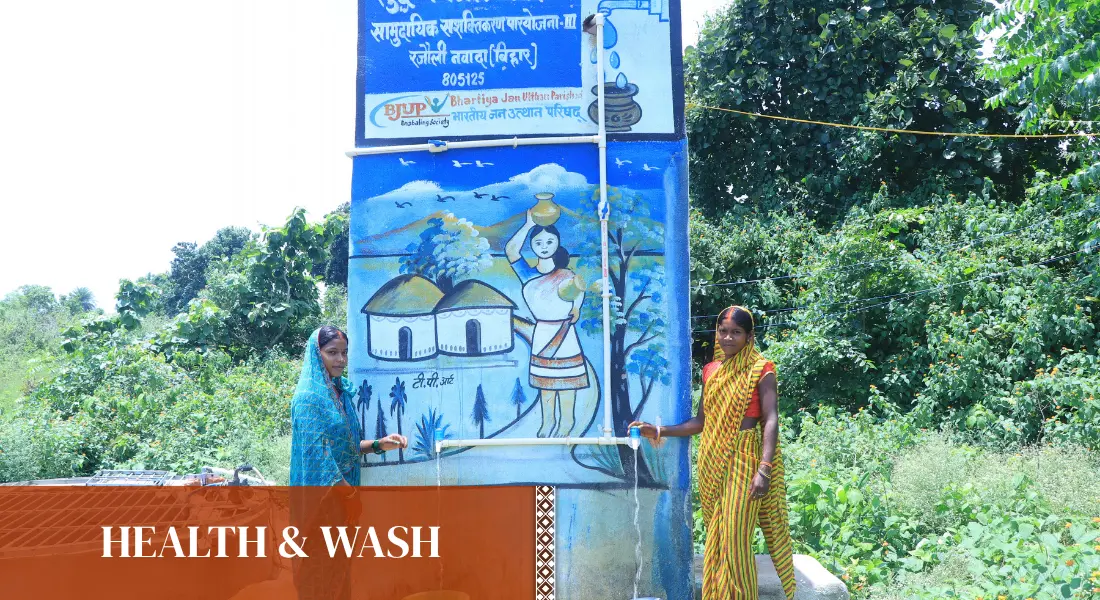
Good health is the foundation of a productive and happy life. Yet in many remote villages, health services are far away, awareness about nutrition and hygiene is limited, safe drinking water is not always available, and old fears and stigma prevent people from seeking care. Illness pushes families into debt, keeps children out of school and prevents adults from working.
Our approach
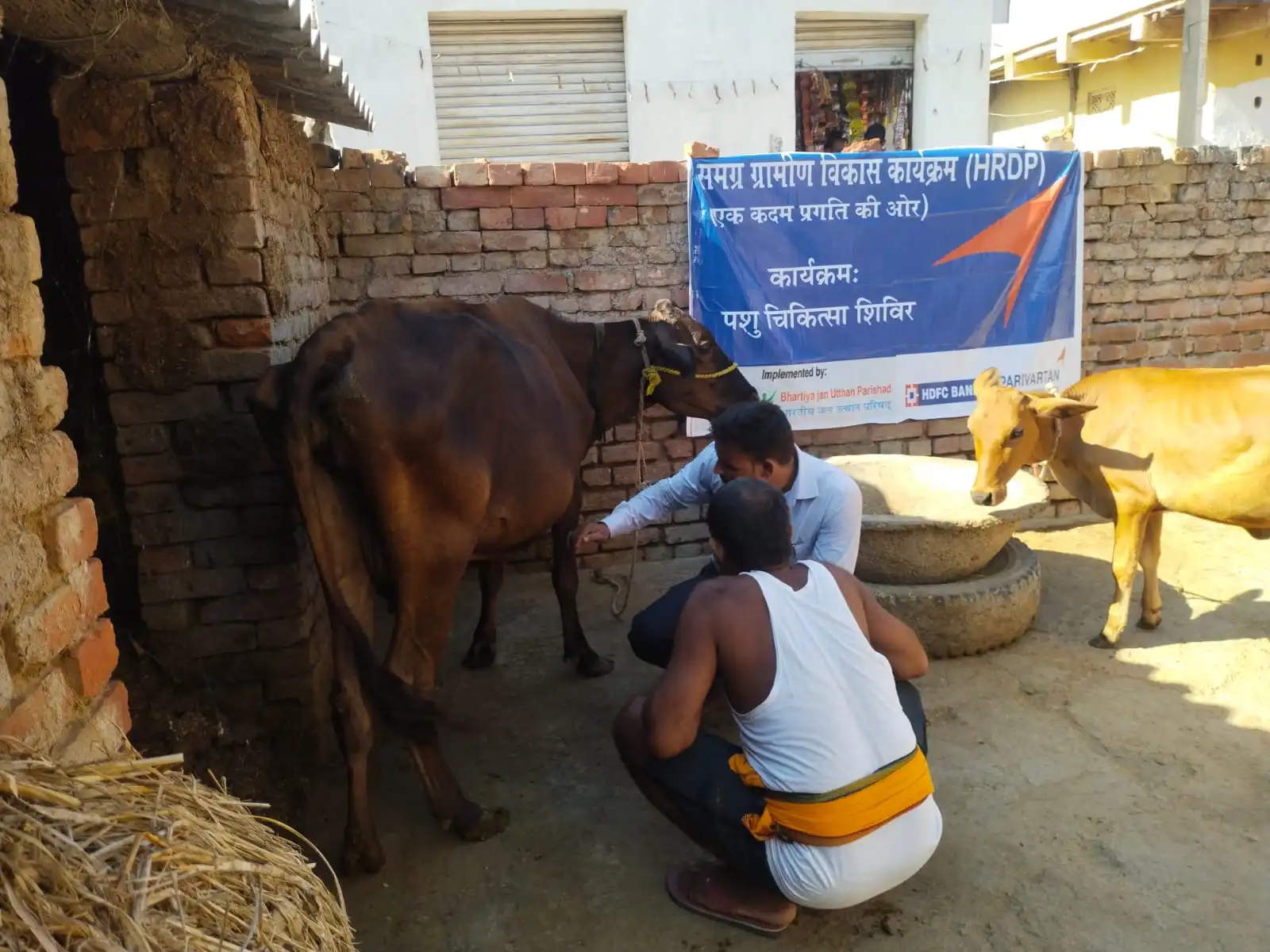
Alongside improving access to essential health services, we strengthen awareness, promote healthy practices and build local capacities. Communities are supported to identify their own health risks, adopt safer behaviours and sustain improvements over time. We train community health volunteers, work with frontline health workers such as ASHAs and Anganwadi workers, link people with government health facilities, and organise health camps and awareness events that bring services closer to people’s homes.
Our work reaches those who are often invisible to health systems, including adolescent girls, pregnant women, young children, older persons, people living with HIV and communities in remote areas.
What we do
Community health and awareness
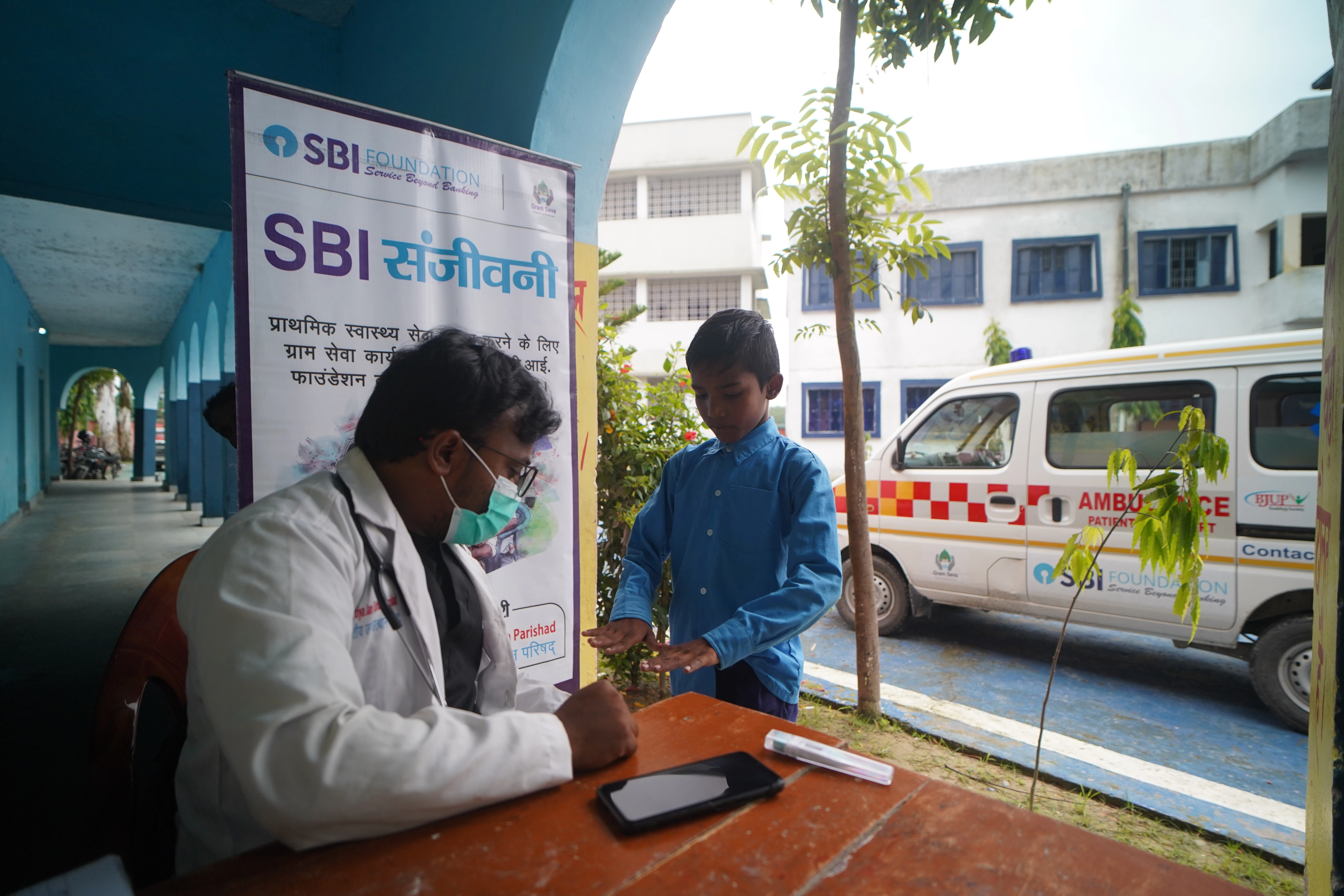
We conduct regular awareness sessions, community meetings, street plays and household visits on topics such as nutrition, immunisation, seasonal illnesses, hygiene and early warning signs of disease. Health camps bring doctors, diagnostic services and medicines to villages, and mobile health services reach those who would otherwise have to travel long distances. Trained local volunteers carry health messages to every household and encourage families to seek timely care.
Maternal, child and reproductive health
The first years of life, and the months of pregnancy, shape a person’s entire future. We work with expectant and new mothers to promote regular check-ups, institutional deliveries, nutritious diets, breastfeeding and complete immunisation. We support adolescent girls and women with information on reproductive health, and we work with families and community leaders so that decisions about health are made with knowledge and care. In collaboration with the government, we have also supported vaccination drives through camps, awareness generation and data support.
Menstrual hygiene and dignity
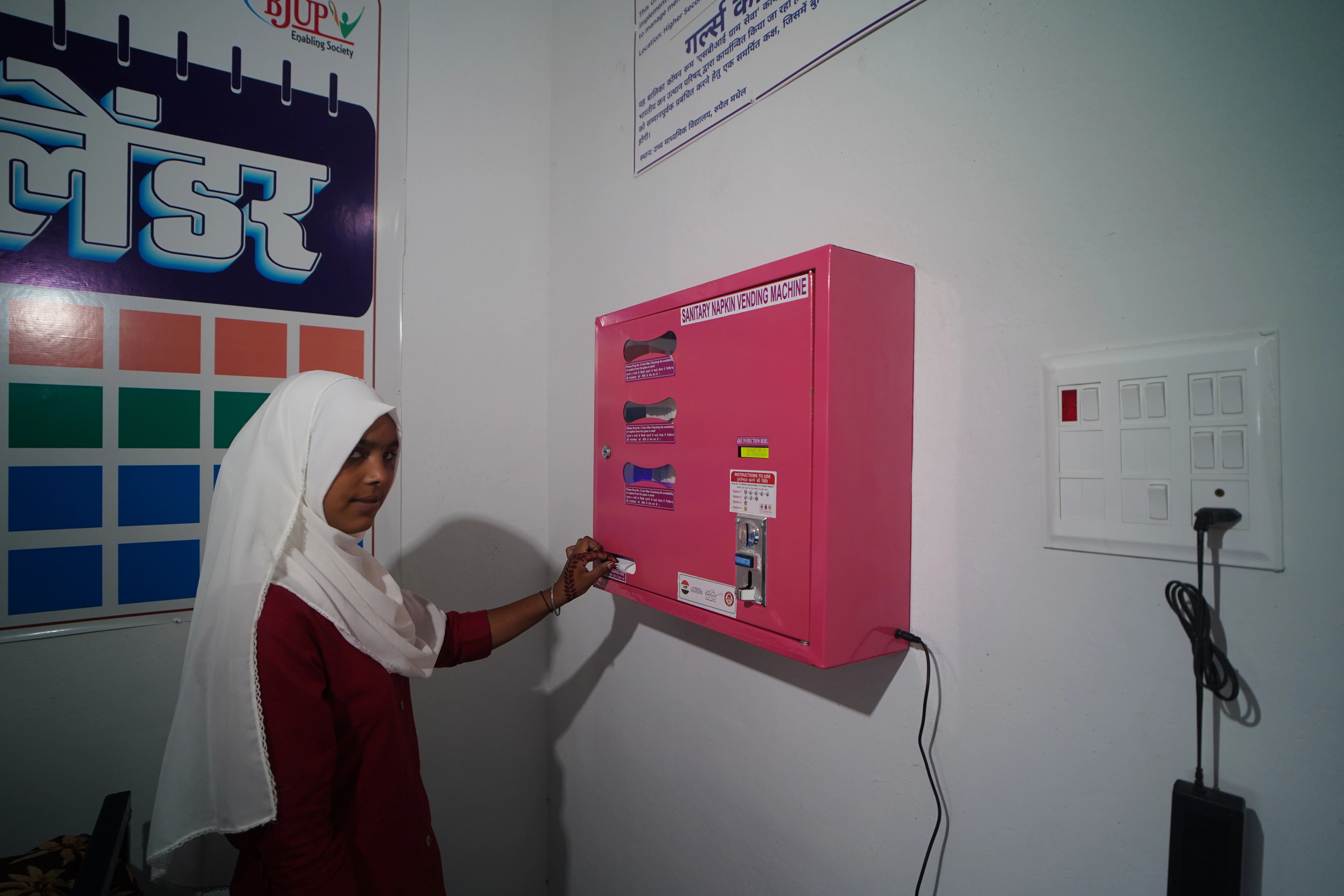
Menstruation is still surrounded by silence, shame and myth in many communities, leading girls to miss school and women to compromise on their health. We create safe spaces where adolescent girls and women can learn, ask questions and talk openly. We promote hygienic practices, access to sanitary products and proper disposal, and we engage boys, men, mothers and teachers so that the whole community supports girls’ health and dignity.
What this looks like on the ground
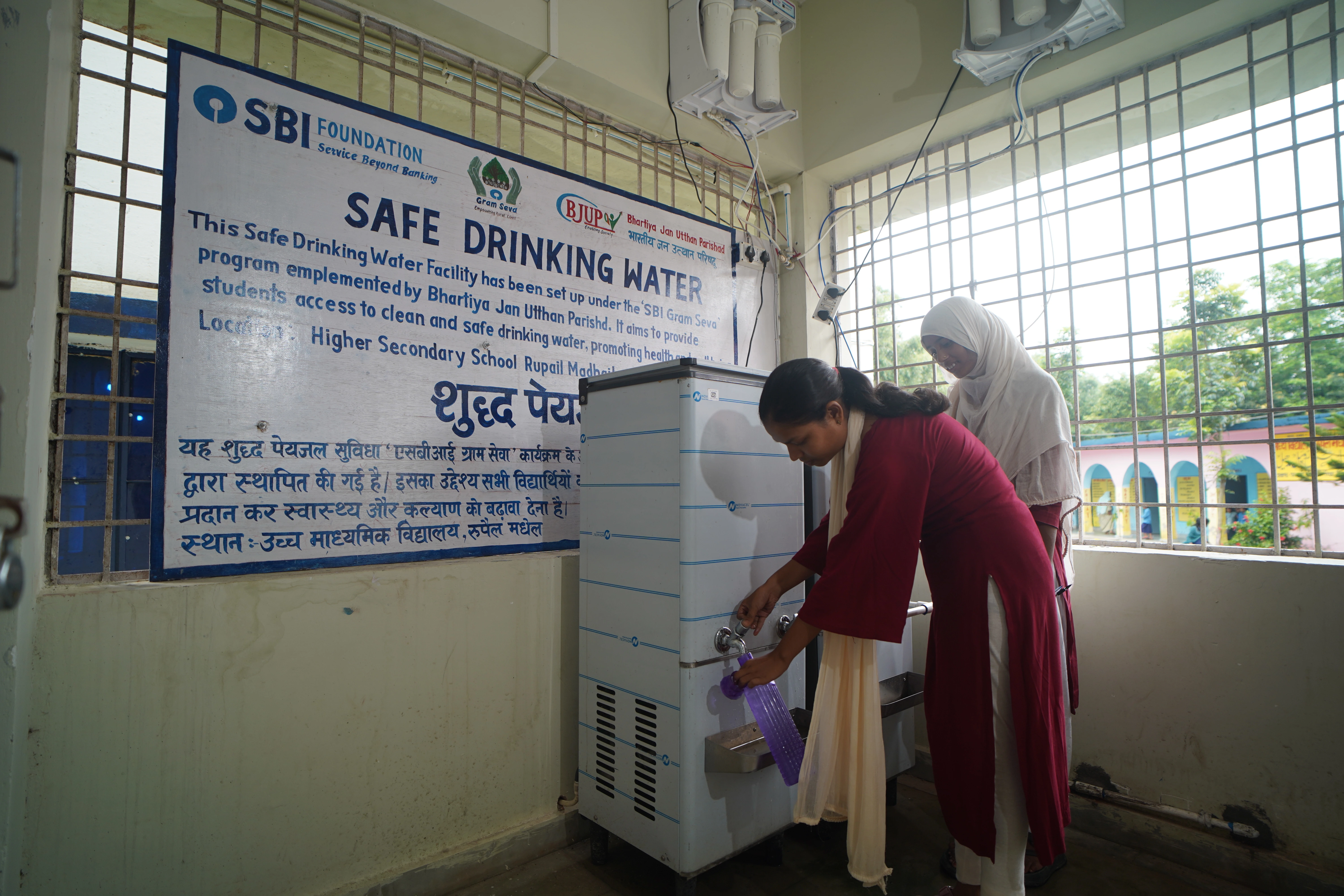
A village health meeting where women discuss how to keep drinking water safe. A group of adolescent girls speaking confidently about menstrual health for the first time. A pregnant woman reaching the health centre on time because a trained volunteer visited her home. A person living with HIV collecting medicines and receiving counselling without fear of judgement. A school where children line up to wash their hands before the midday meal. Each of these moments reflects a community learning to look after its own health.
Why it matters
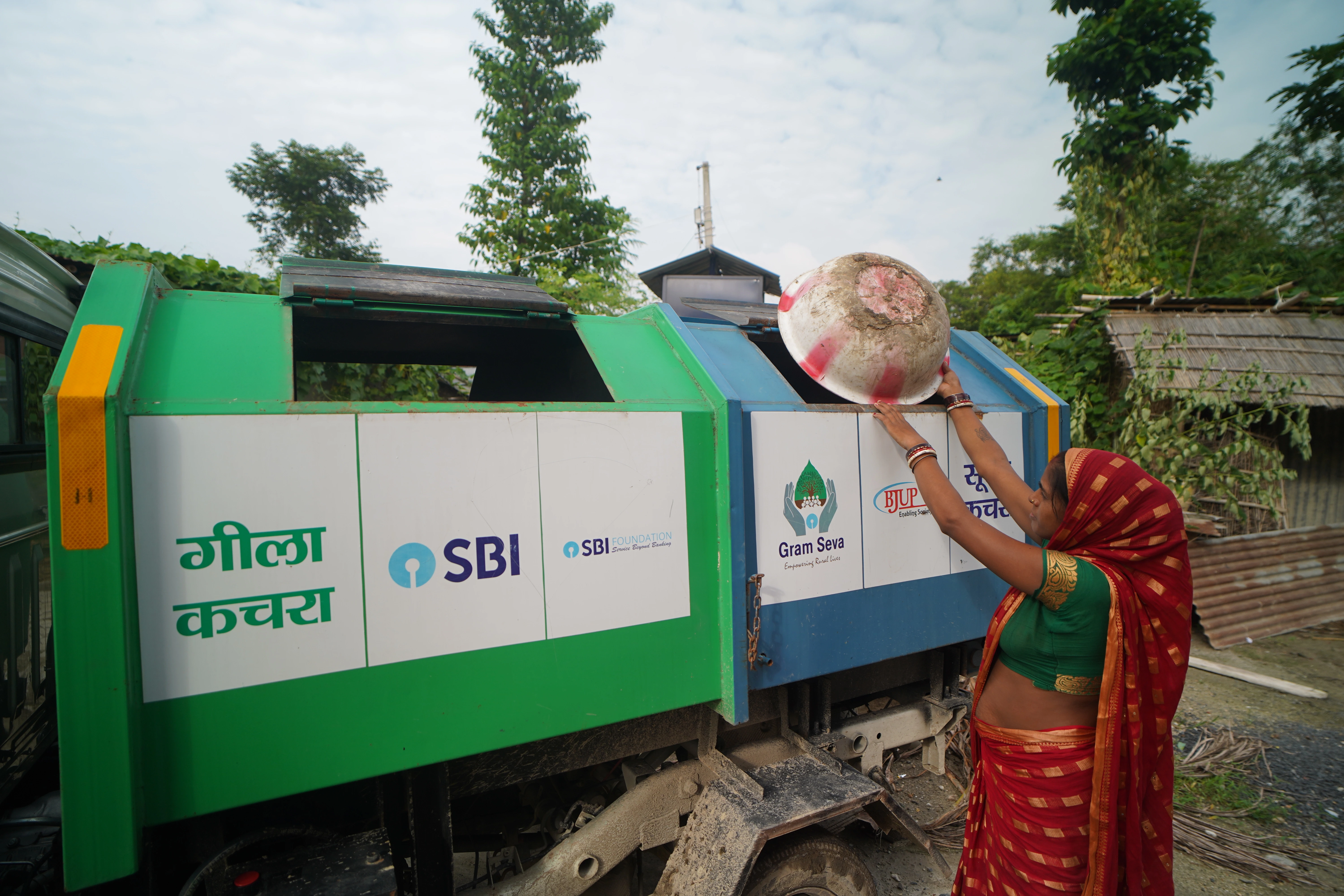
Healthy people can learn, earn and care for their families. By building a culture of prevention and shared responsibility, we help communities reduce illness, save household resources and face the future with confidence.