
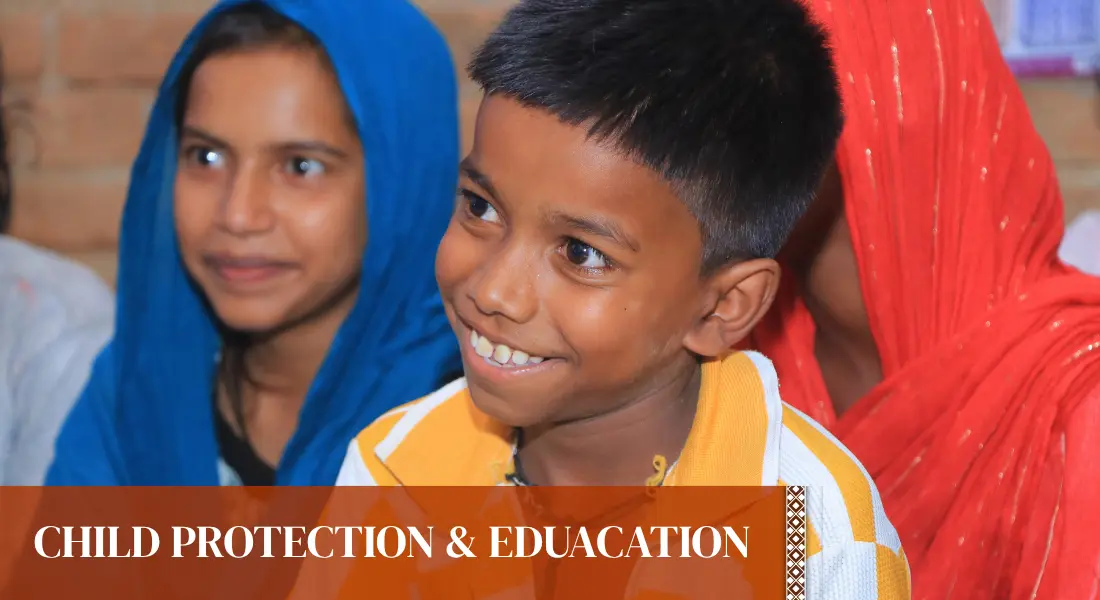
Childhood should be a time of play, curiosity and growth. For many children in rural and marginalised communities, it is cut short. Poverty, migration, lack of nearby schools, social discrimination and the pressure to earn can push children into labour, early responsibilities or the reach of traffickers. Others sit in classrooms that are poorly equipped, overcrowded or unwelcoming, and slowly lose interest in learning.
BJUP works on both sides of this challenge. We protect children from harm, and we open the doors to quality education, because a child who is safe but not learning, or learning but not safe, is still being left behind.
Our approach
We believe child protection is not the job of one organisation or one government office. It is a shared responsibility of the whole community. Our approach is to strengthen the systems around a child so that protection becomes part of village life. Parents learn to recognise risks. Teachers become the first line of care. Panchayat members and local leaders take responsibility for children in their area. Government services such as child protection committees, police, Childline and schools are linked so that when a child is in danger, help reaches them quickly.
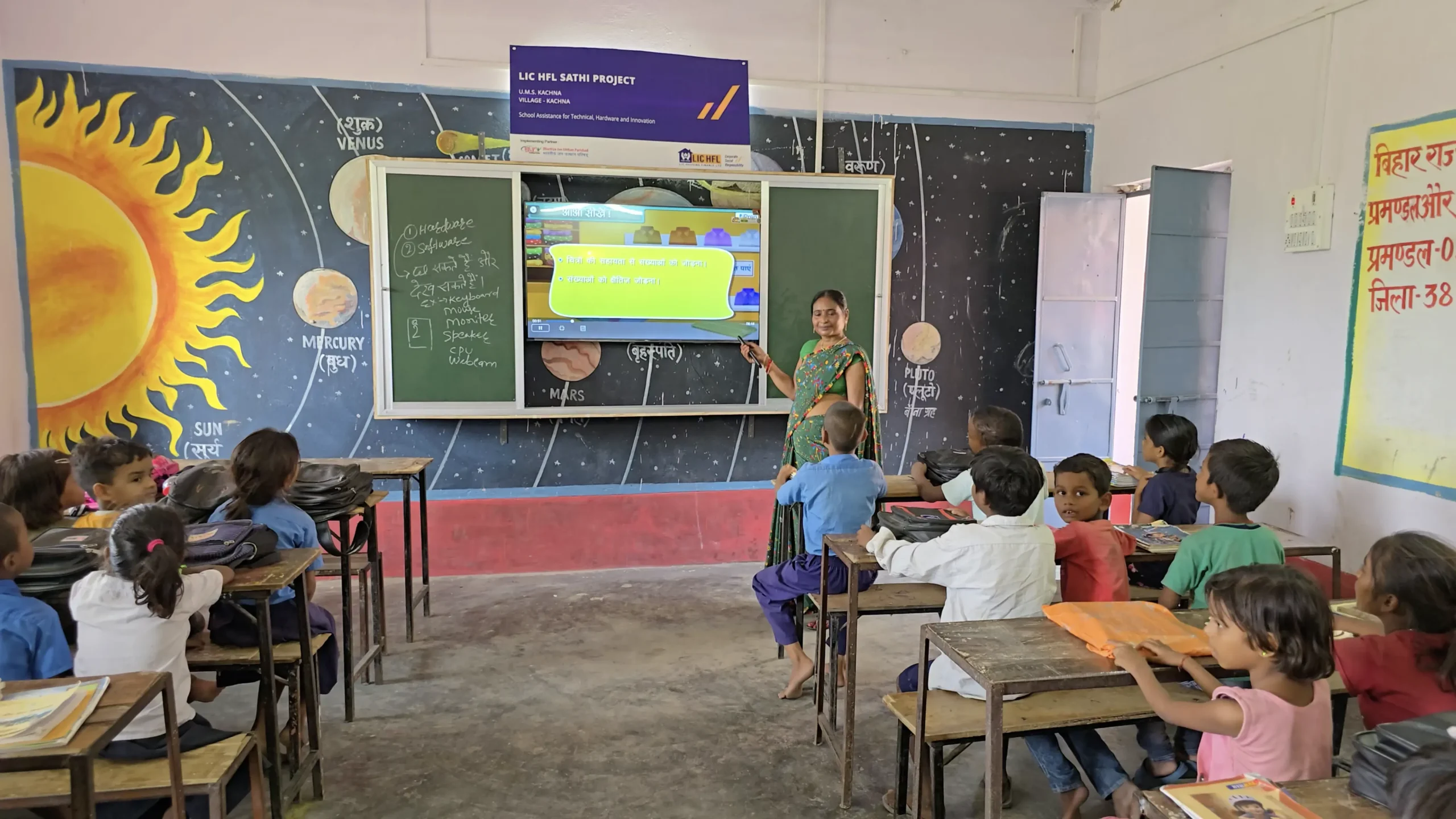
In education, we focus on making schools places where children want to be. We work with teachers, school management committees and parents to create child-friendly classrooms that are bright, inclusive and encouraging. We also bring technology and learning resources to schools that have never had them.
What we do
Child safeguarding and protection
We work with families, schools and community institutions to build awareness of children’s rights and the many forms of harm children can face, including neglect, abuse, early marriage and exploitation. We support the formation and strengthening of community-level child protection mechanisms, train local volunteers and teachers to identify warning signs, and ensure that every child has a trusted adult and a known route to report concerns. Within BJUP itself, our Child Protection Policy and Beneficiary Safeguarding Policy guide every staff member and partner in how they work with children.
Anti-trafficking and prevention of exploitation
Children from poor and migrant families are especially vulnerable to trafficking and to labour in unsafe conditions. We work to address the root causes by supporting at-risk families, sensitising communities and employers, strengthening village-level vigilance, and connecting children and families to protective schemes and services. Our work in areas affected by bonded labour and in mica-dependent communities has shown us how closely child protection and family livelihoods are linked. When a family’s income is secure, a child is far less likely to be sent to work.
Rescue, rehabilitation and reintegration
When a child has already faced exploitation or abuse, our priority is their safety, healing and dignity. We support rescue and referral through government systems, provide care and counselling, and help children return to their families, schools and communities. Reintegration is handled carefully, with support to the child, the family and the community, so that the return to normal life is genuine and lasting. For children in need of care and protection, we also run psycho-social and physical development programmes that rebuild confidence and wellbeing.
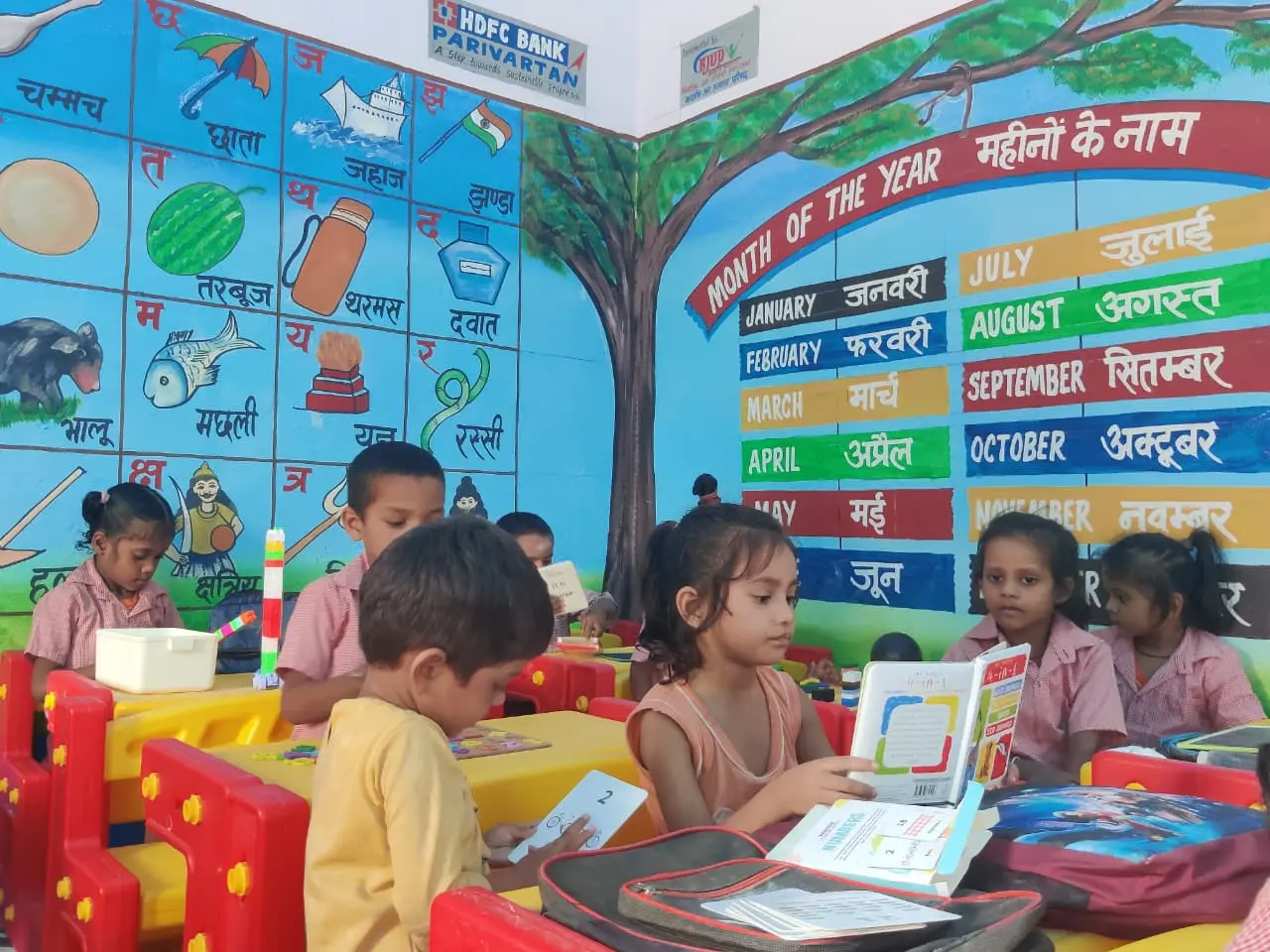
Quality education and child-friendly learning
Our education work goes beyond enrolment. We help identify children who have never attended school or have dropped out, bring them back, and support them so that they stay. We work with teachers and school communities to improve the learning environment, encourage activity-based and joyful teaching, and promote life skills, sports and children’s participation in decisions that affect them. Through children’s groups and small projects led by children themselves, young people discover that their ideas matter and that they can plan and lead.
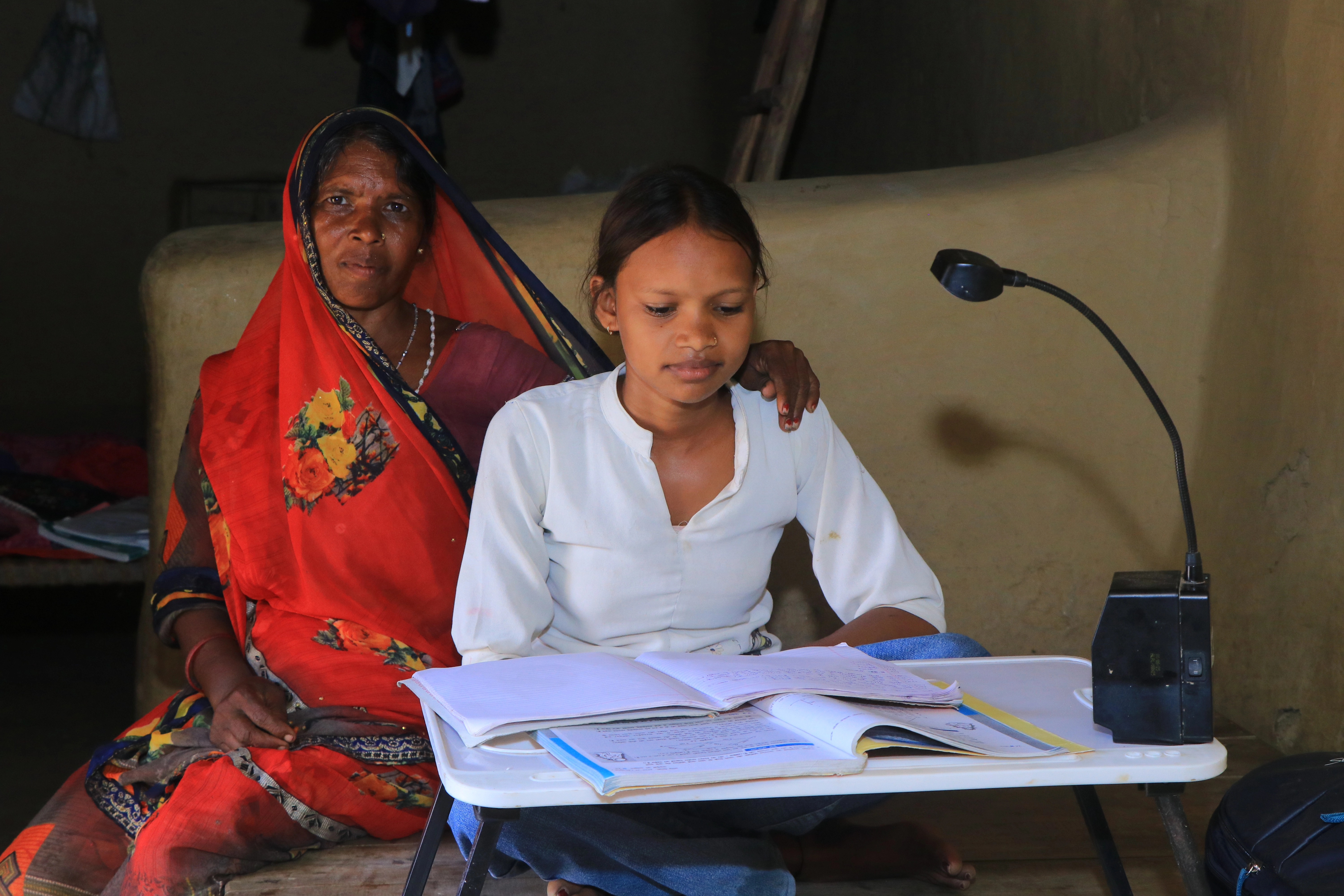
Digital learning, scholarships and access
In many rural government schools, a computer or a smart screen is still a rare sight. We bring digital classrooms to these schools, helping teachers use technology to make lessons more engaging and giving children access to knowledge beyond their textbooks. We also support talented children from marginalised families with coaching, scholarships and guidance, including preparation for competitive entrance examinations, so that financial hardship does not close the door on their ambitions.
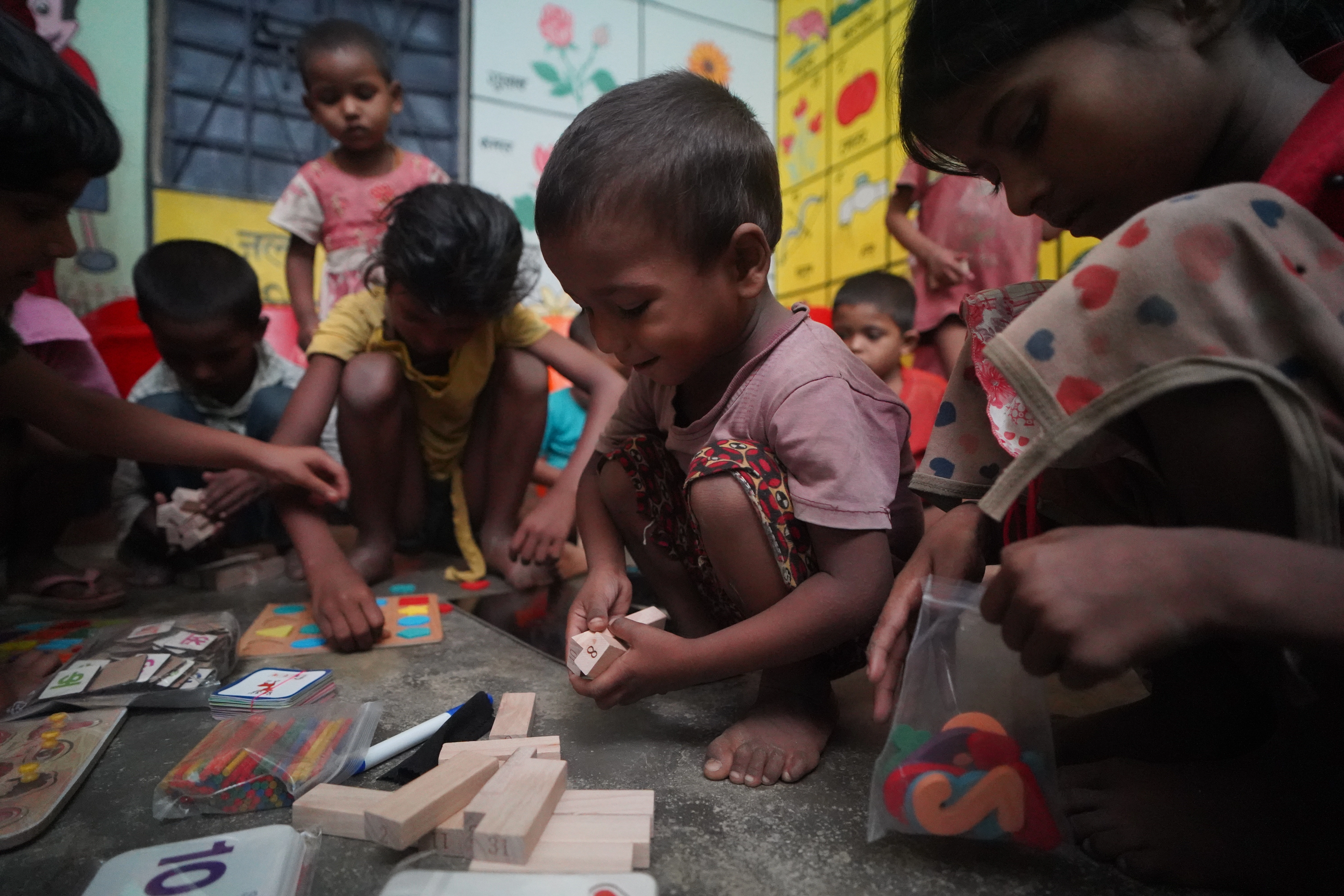
Picture a village school where the classroom walls are painted with letters, numbers and colourful pictures, where a teacher uses a smart screen to explain the solar system, and where children eagerly raise their hands. Picture a Panchayat meeting where a child protection committee reports on every child in the village and follows up on those missing from school. Picture an adolescent girl who was about to be married early, now back in class with her family’s support. These are the changes we work towards every day.
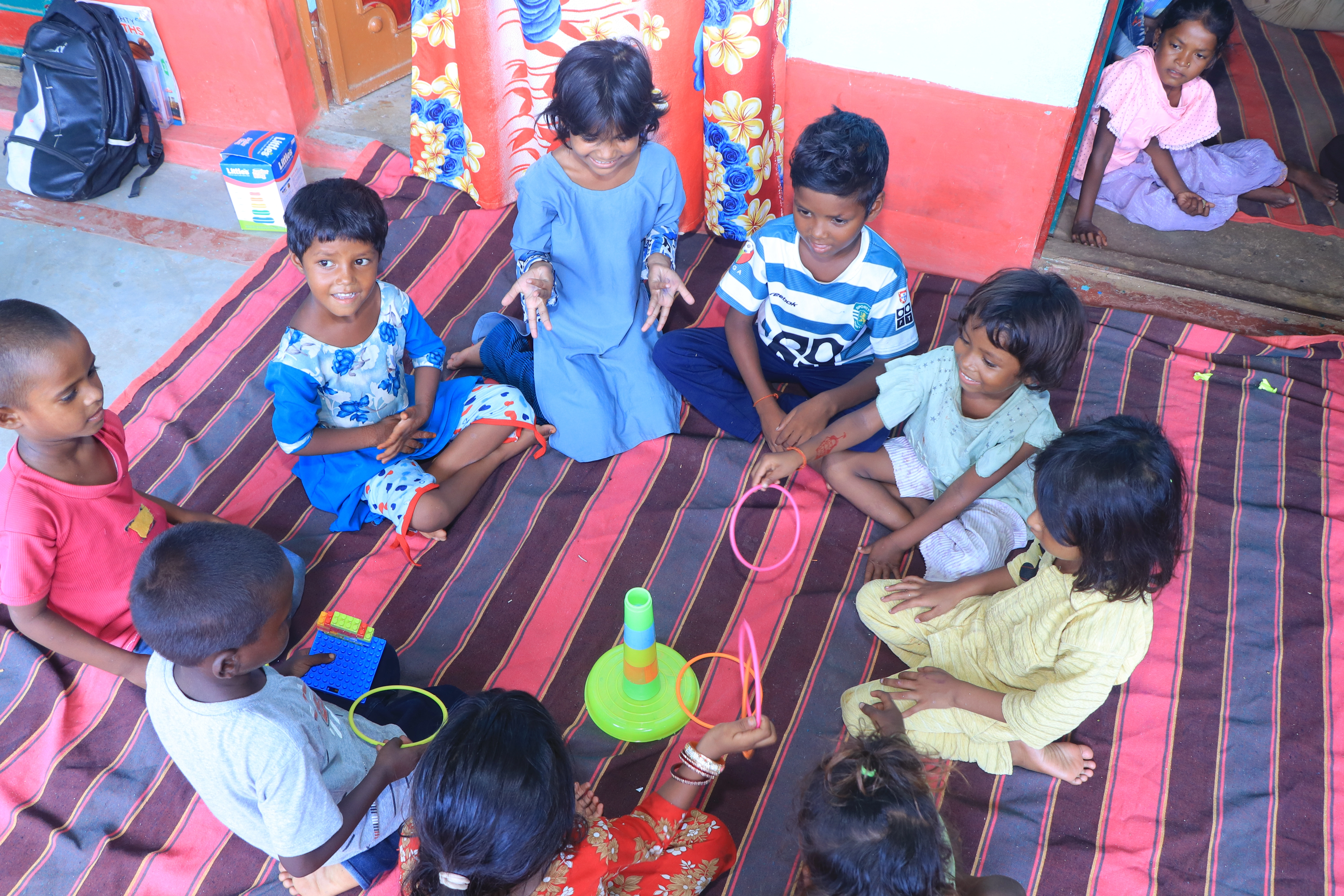
A safe, educated child changes the future of a family. As confident adults, such children make better choices for their health, their work and their own children. Investing in children is the most direct way of breaking the cycle of poverty and building a more equal society.