


Development that lasts, for people and for the planet
Sustainability is not a separate activity at BJUP. It is a principle that runs through every programme we design. The communities we serve are among the most exposed to climate change, through erratic rainfall, floods, droughts and falling soil fertility, even though they have contributed the least to it. Protecting the environment and strengthening community resilience is therefore central to protecting livelihoods and lives.
Sustainability also means that the gains we help communities achieve today must continue tomorrow. A well-built institution, a trained community leader or a well-maintained water source can keep delivering benefits long after a project ends. This is the kind of change we strive for.
Our approach
We embed sustainability across our programmes through community ownership, climate resilience and the responsible use of local resources. We promote locally appropriate solutions that work with nature and fit people’s real circumstances. We strengthen community institutions and build local capacities so that development gains can be maintained, adapted and continued beyond the project period.
We work with farmers, women’s groups, schools, Panchayats and local youth to develop practical, low-cost and environmentally sound solutions that people can adopt and sustain themselves.
What we do
Natural farming and eco-restoration
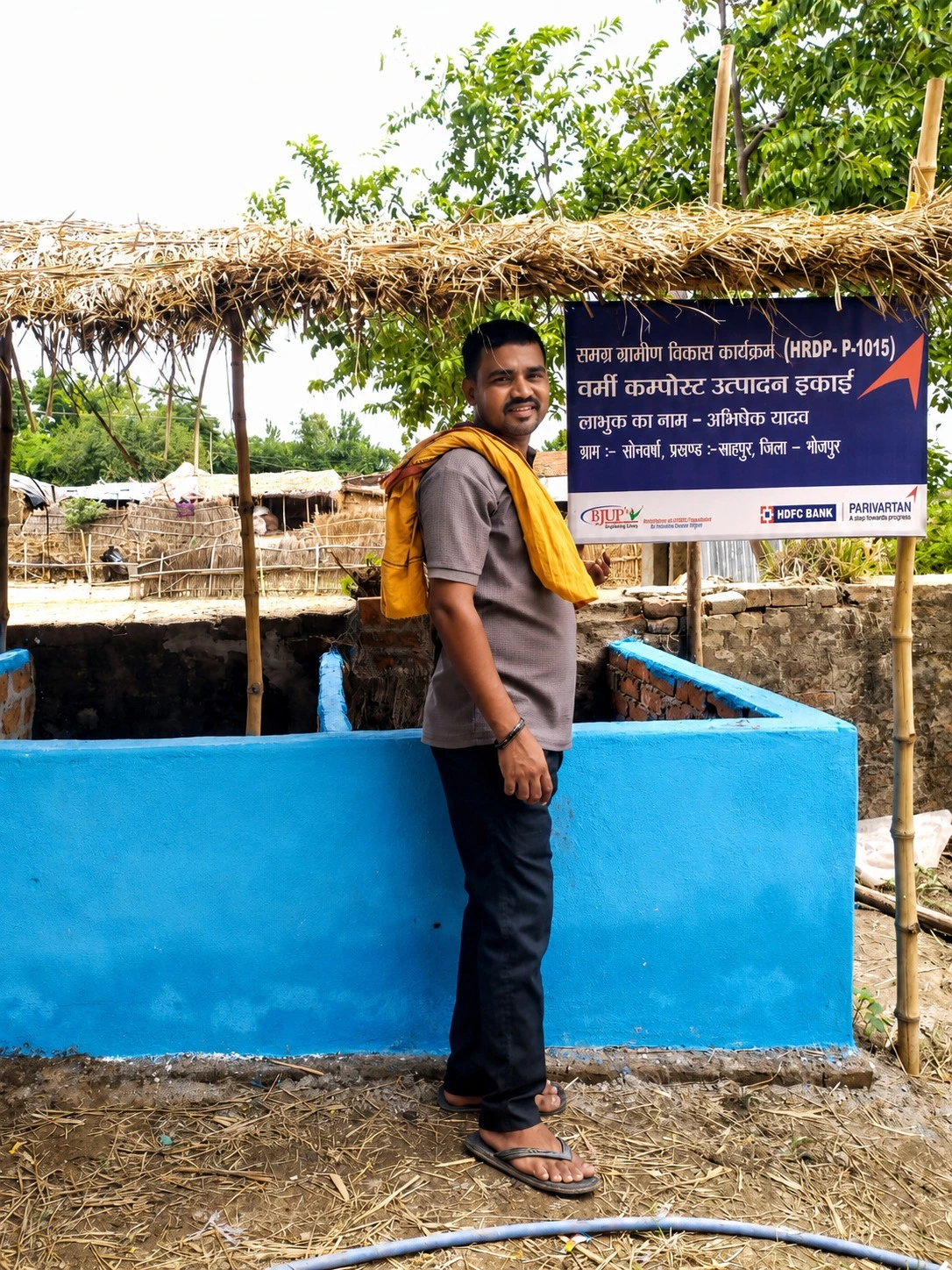
We encourage farming practices that are kind to the soil and the environment, such as organic manure, vermicompost, bio-inputs, mixed cropping and integrated farm management. These reduce dependence on costly chemical inputs, improve soil health and often lead to healthier food and better incomes. We also support tree plantation, restoration of degraded land and protection of local biodiversity, so that ecosystems recover and continue to support the communities that depend on them.
Water and soil conservation
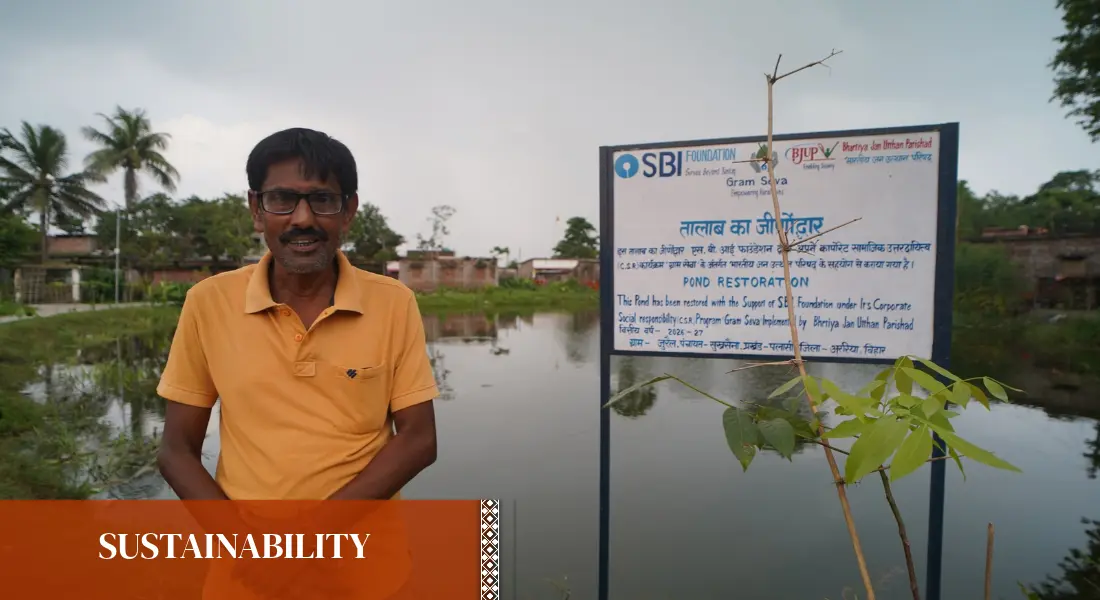
Water is life for farming families, and many depend entirely on the rains. We support communities in conserving rainwater, recharging groundwater, reviving ponds and traditional water sources, and protecting soil from erosion. By preparing communities for both too little and too much water, we help them face the uncertainties of a changing climate.
Sustainable irrigation and land management
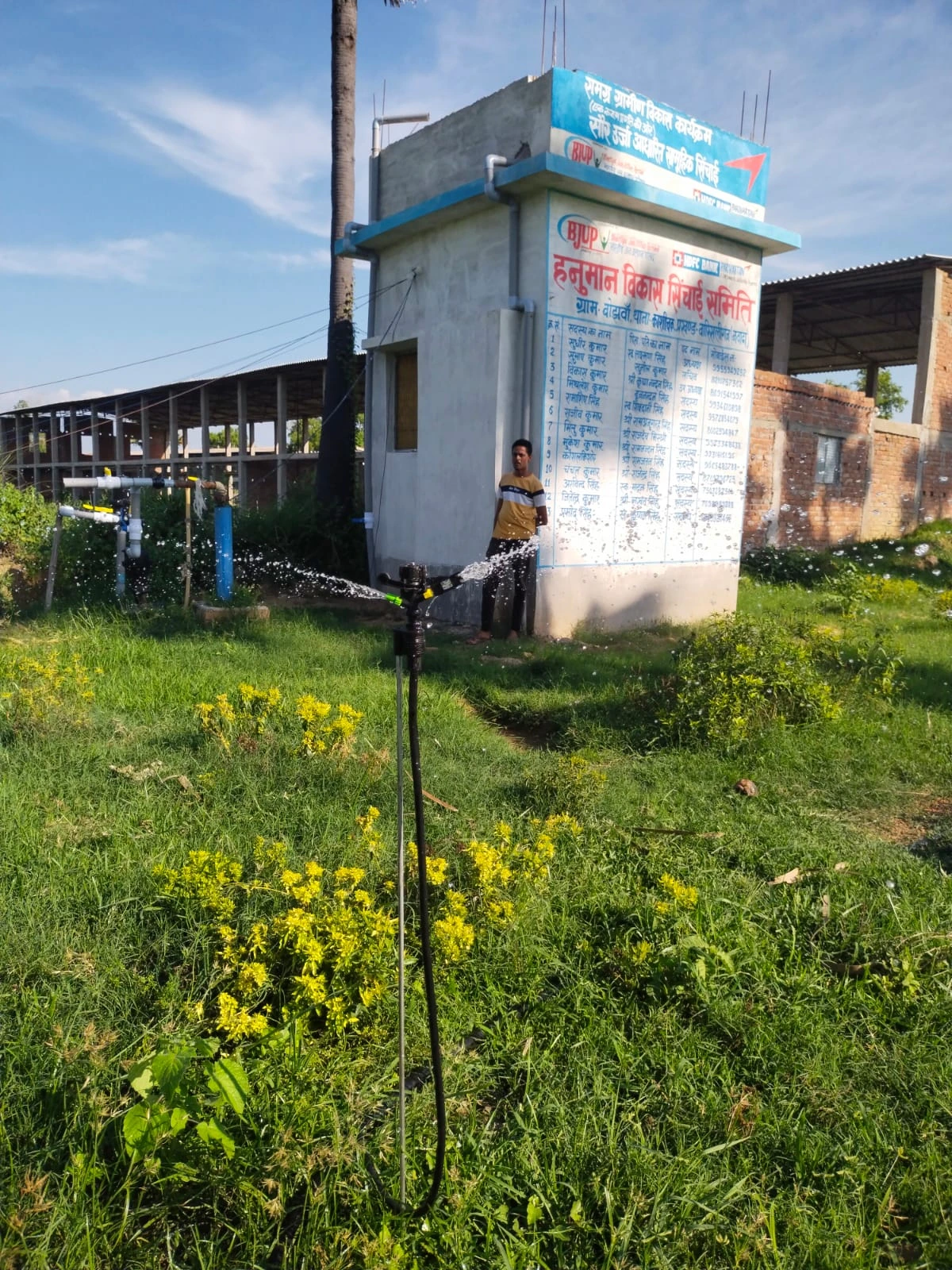
Efficient use of water and land makes a major difference to farmers’ yields and incomes. We promote practices such as micro-irrigation, scientific water management, appropriate crop planning and better use of available land. We also help farmers form groups that manage shared resources fairly and take collective decisions on water and land use.
Renewable energy and low-carbon solutions
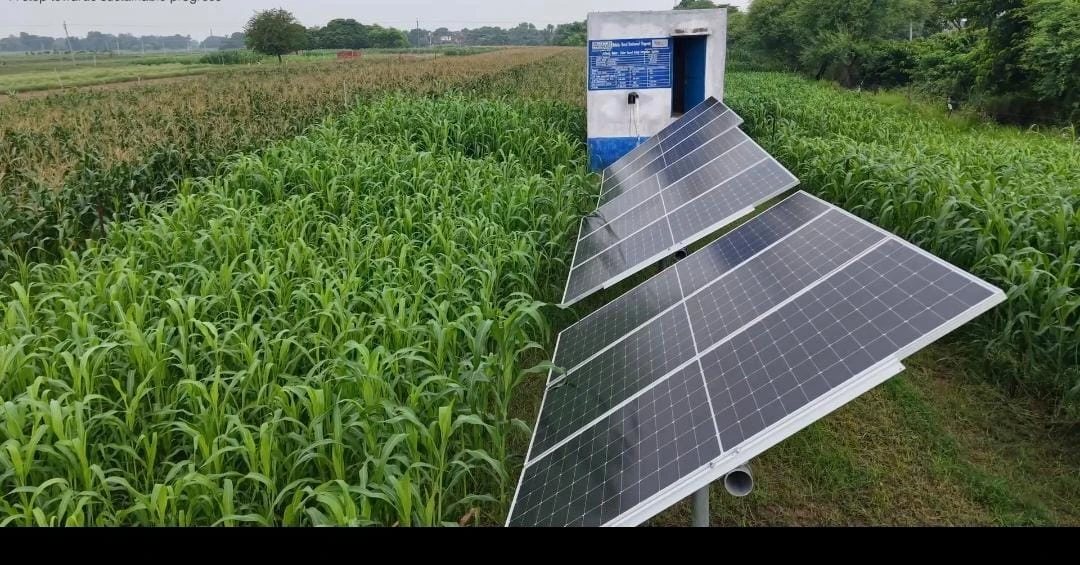
Clean energy can transform daily life in rural areas. We support the use of solar energy in schools, Anganwadi centres, community buildings and households, bringing reliable light and power to places that often struggle with irregular electricity. Solar lighting in schools improves learning conditions, and clean energy in homes reduces costs and improves safety. We also encourage energy-saving and low-carbon practices that benefit both families and the environment.
Zero-waste and clean energy practices
Clean villages are healthier villages. We promote household and community-level waste management, segregation, composting, reuse and recycling, along with clean cooking and energy practices that reduce smoke and pollution inside homes. Schools and youth groups play an active role in these efforts, spreading the message of cleanliness and care for the environment among their families and neighbours.

What this looks like on the ground
A school lit by solar panels, where children can study even when the power goes off. A farmer harvesting vegetables grown with homemade compost and saved rainwater. A village pond restored and brimming after the monsoon. Children carrying cloth bags and collecting waste for composting. A village committee that meets regularly to decide how its shared resources will be used and protected. These are signs of a community that is looking after its future.
Why it matters
Communities that care for their environment build resilience against climate shocks and rising costs. By placing sustainability at the heart of development, we help ensure that the progress made today continues for generations to come.